Guide · 4 min ·
Which film should you buy
How film works, respooled against imported, which process to ask for, and where to buy.
Contents
How film works
Film is a strip of plastic coated with light-sensitive silver halide crystals held in gelatin. Light changes those crystals, the developer turns that change into an image, and colour film does it three times over: three stacked layers, each recording a different part of the spectrum.
A 35 mm roll gives you 36 photos. Some are sold as 24. You shoot the whole roll, then it goes to a lab to be developed. There is no screen and no deleting, which is most of the fun.
Every film has a number on the box, and that number is the ISO: how sensitive the film is to light.
- 100 and 200 for bright daylight
- 400 for overcast days, shade, and indoors near a window
- 500 and 800 for evening, night, and indoors
Higher ISO copes with less light, at the cost of more grain. Lower ISO is cleaner but needs sun.
Film is also made for a particular colour of light. Daylight film is built for sunlight, tungsten film for the warm bulbs you get indoors. That is what the D and the T mean on a motion picture stock, and it matters more than beginners expect.
If this is your first roll, read Getting Started With Film Photography first. It covers the camera.
Imported film
This is boxed film off a shelf: Kodak Gold 200, Fuji 200, Kodak UltraMax 400.
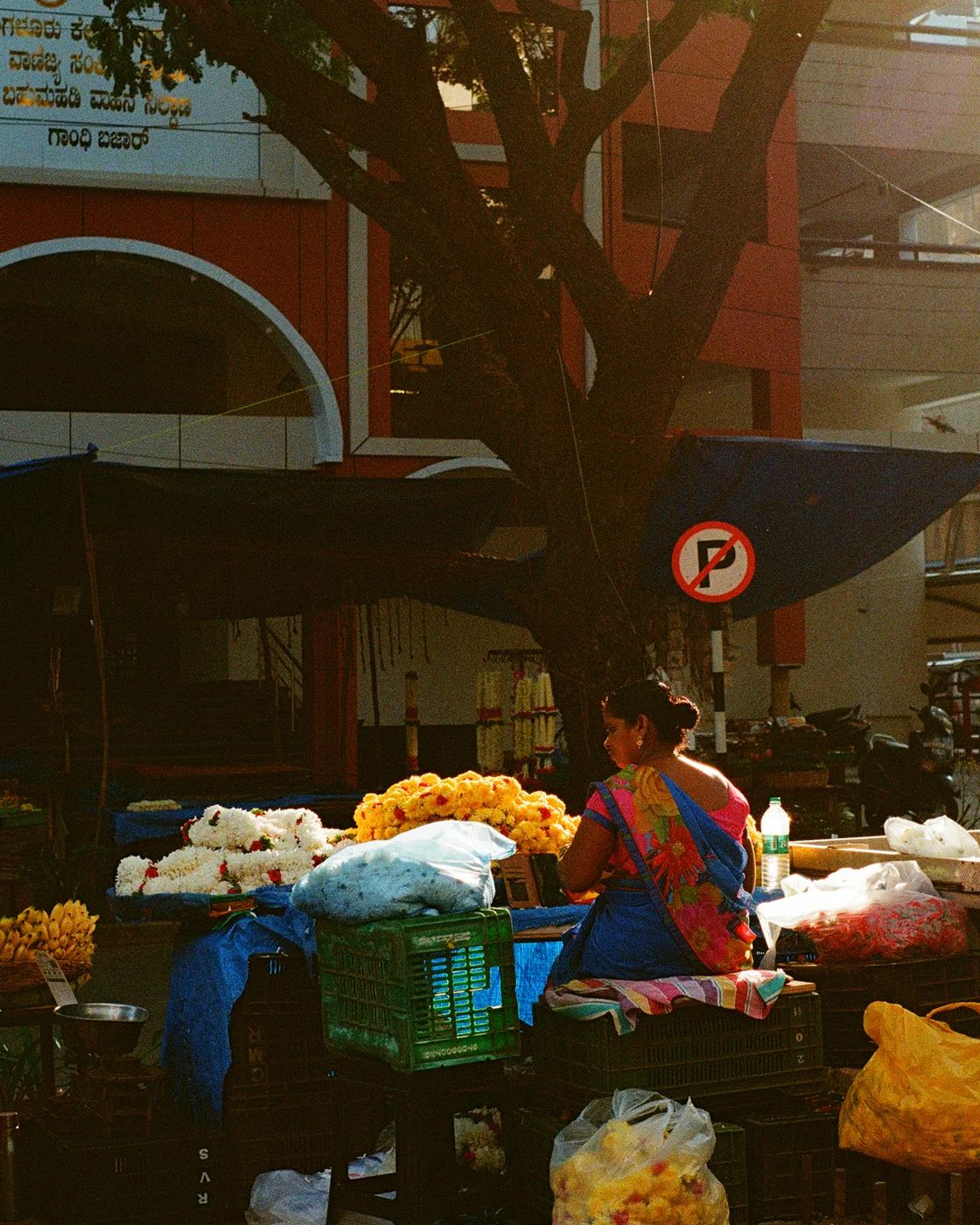
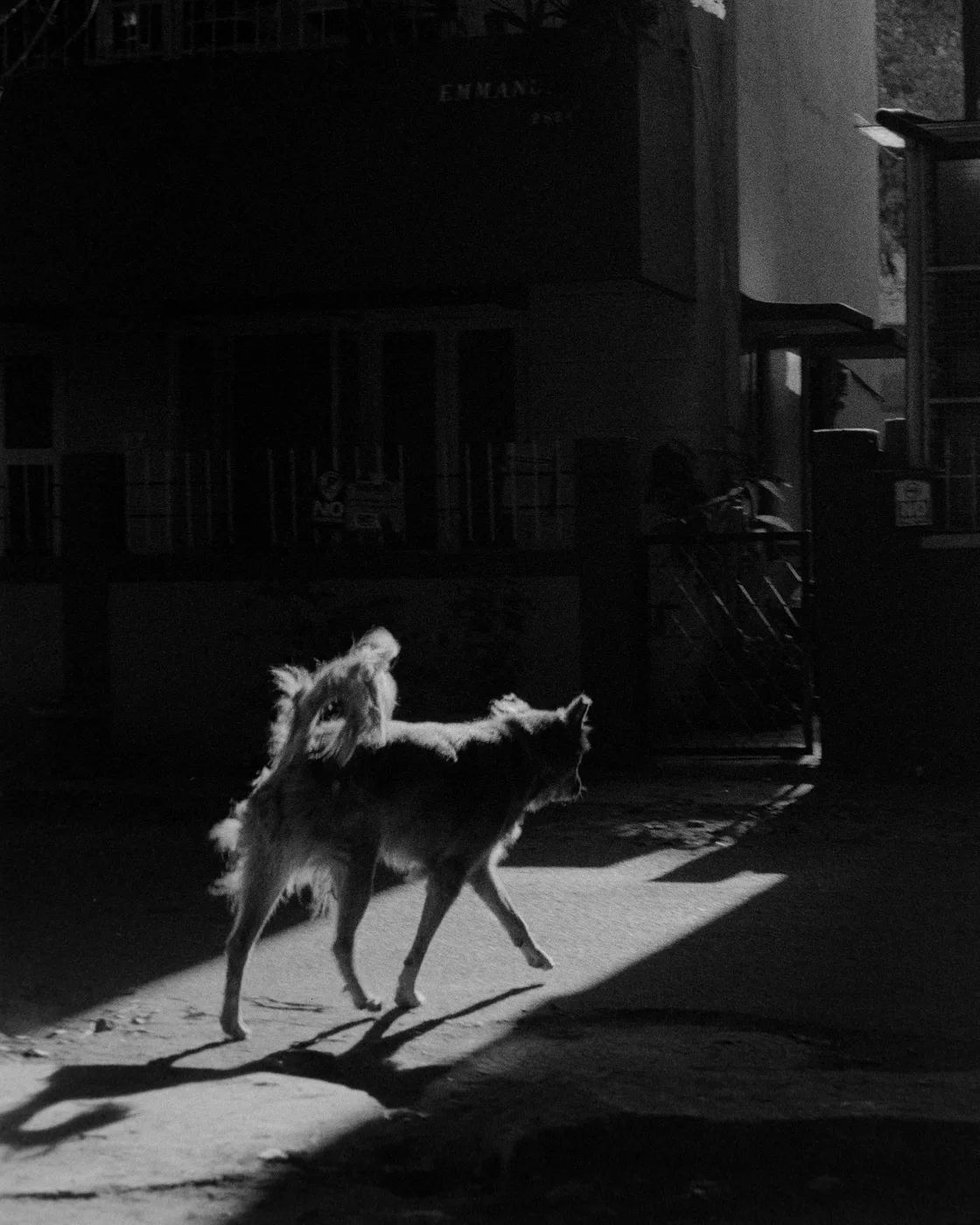
These are consumer films, made for people who just want to take nice pictures. They are forgiving, the colours are pleasant straight out of the lab, and they are hard to get badly wrong. That makes them a good place to start.
The catch is the price. All of it is imported, so shipping and duty land on top of a box that was never cheap.
Shot on imported film
Swipe →




Respooled film
Respooled film is motion picture film. Films are shot on long rolls, hundreds of feet at a time, which come in big cans. Respoolers buy those cans, cut the film down, and hand-load it into 35 mm cassettes in small batches.
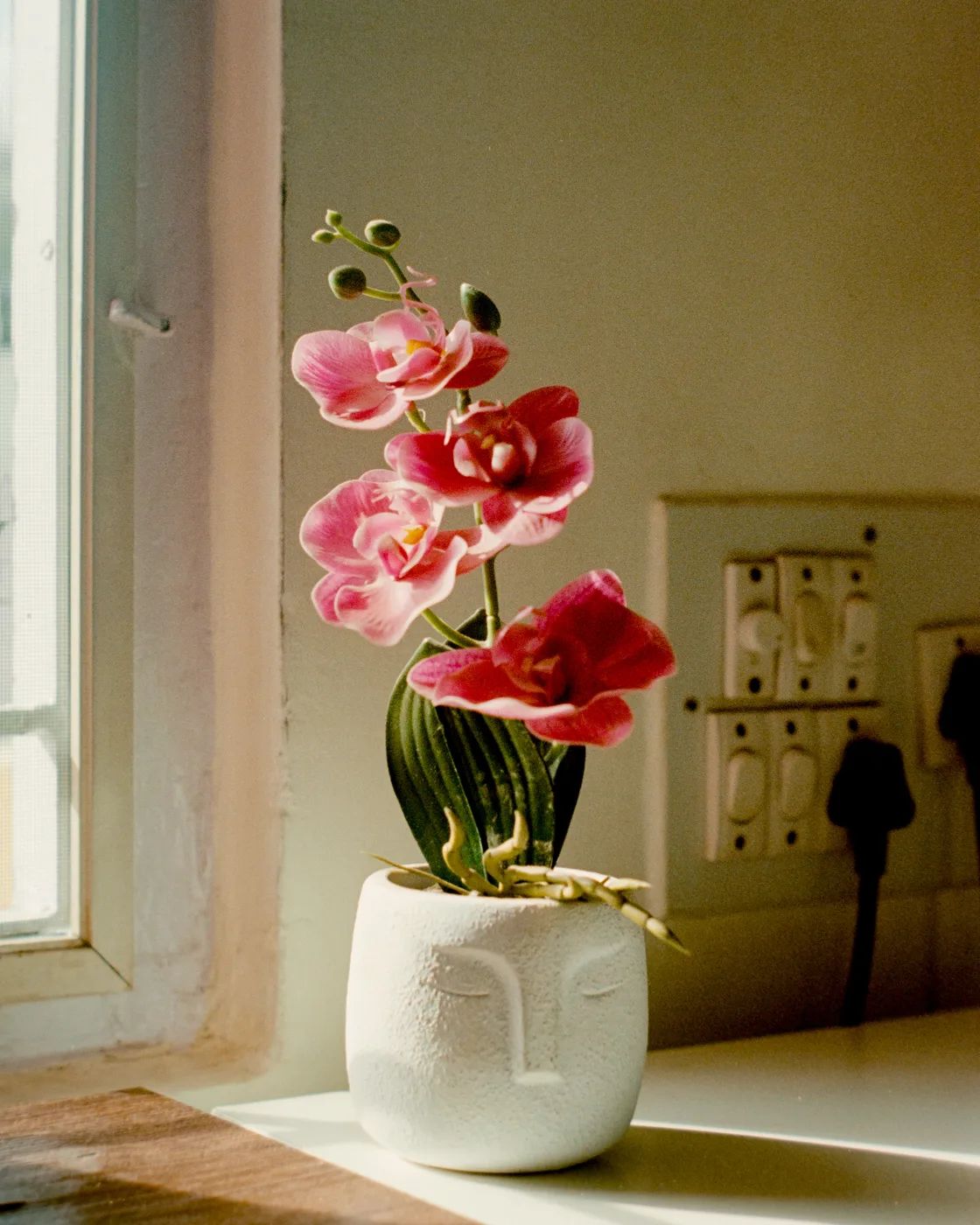
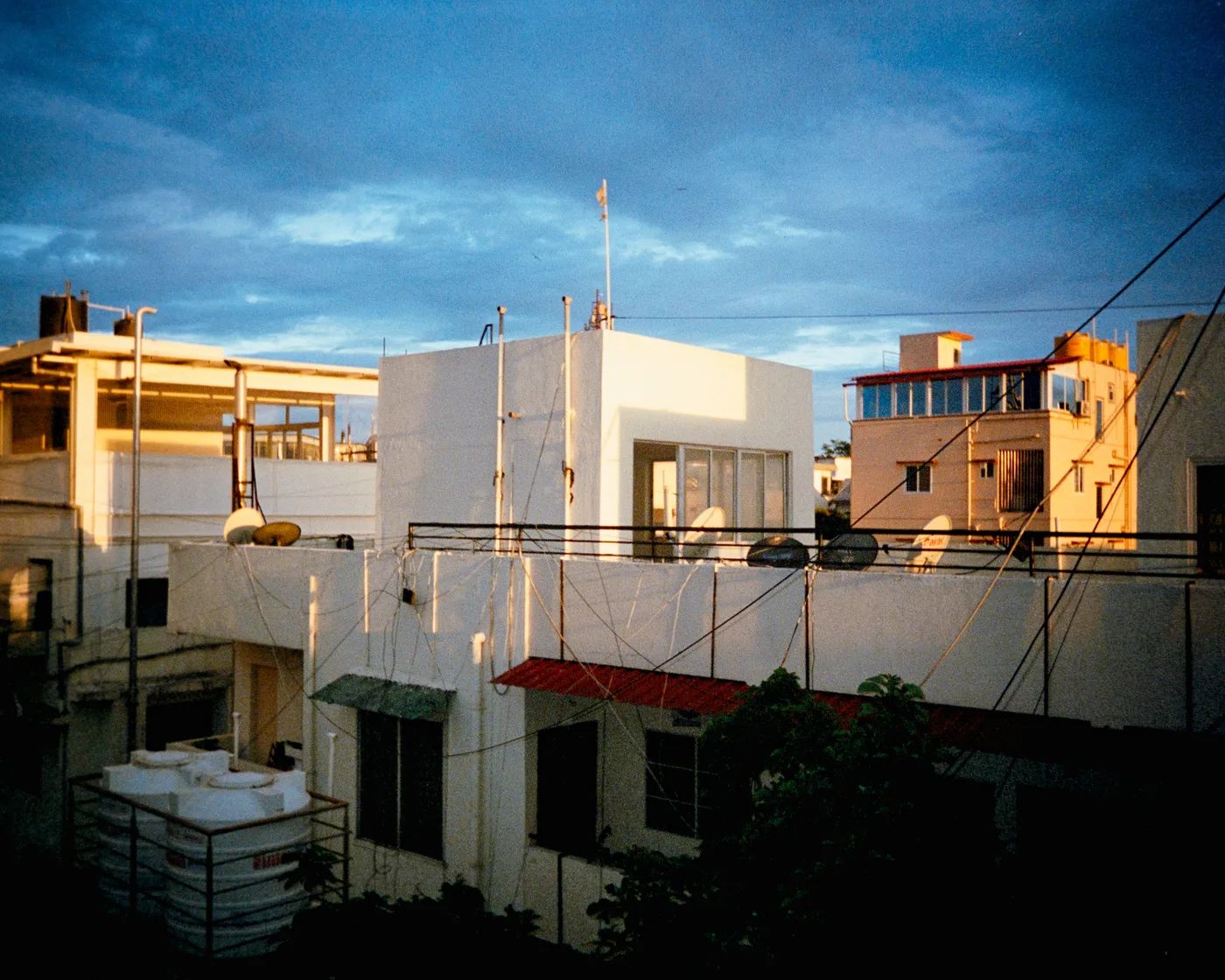
Two things follow from that. It costs about half what imported film costs. And because it is made for cinema, where every frame gets scanned and colour graded, the grain is finer and the colour holds together better than a consumer film at the same speed.
The stock is almost always Kodak Vision3, Kodak’s current motion picture negative range:
- 50D for the brightest sun
- 250D for general daylight, and the one to get if you get one
- 200T for indoors under warm bulbs
- 500T for night and low light
D is daylight balanced, T is tungsten balanced. Shoot a T film in daylight and it goes blue; shoot a D film under indoor bulbs and it goes orange. Both are correctable when the roll is scanned, but you get a cleaner result by starting from the right one.
Shot on respooled film
Swipe →


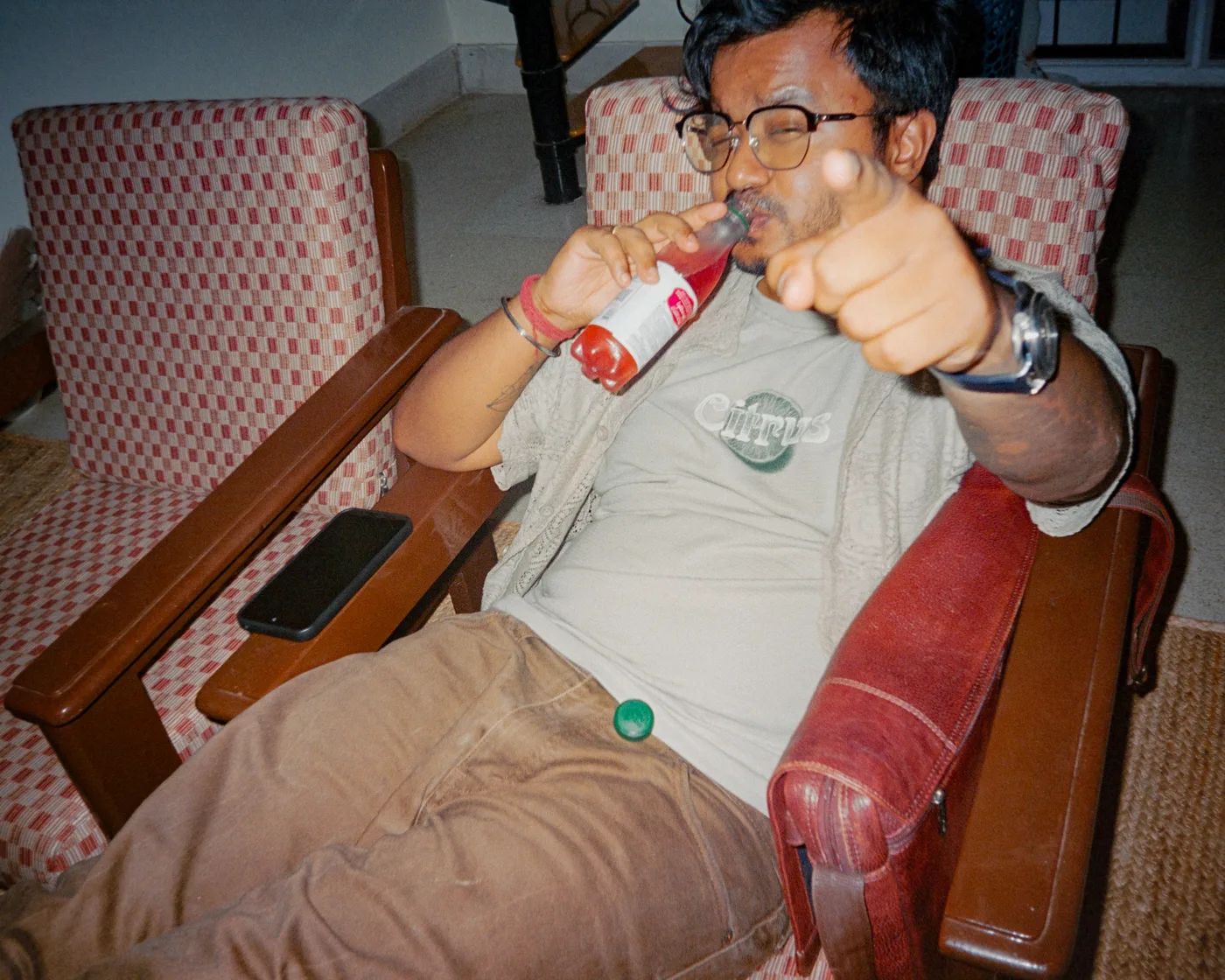
C-41 and ECN-2
Film is developed in one of two processes, and matching the roll to the right one is the easiest thing on this page to get wrong.
C-41 is the ordinary colour negative process, and almost every lab runs it. ECN-2 is the motion picture process.
What to look for:
- It is written on the film, and it is in the seller’s listing online. If a listing does not say, ask before you order.
- Imported colour film is C-41. You do not have to think about it.
- Respooled film can be either. Some sellers prepare it so it goes through C-41 like any other roll; others sell it needing ECN-2.
- Labs list the processes they run, on their site and in the online directories. Check your film against that list before you post the roll, not after.
Where to buy
- Lazy Film Labs. My goto. Good respooled stock, lots of options, and they develop in India.
Website: lazyfilms.in/store · Instagram: @lazyfilmlab
- Panchrome Project.
Website: panchromeproject.com/fresh-film-stocks - Astra Foundry.
Website: astrastore.art · Instagram: @astra.foundry
There are more sellers in the getting started guide, including CPB and ZhenWei Films.
Worth knowing before you buy
- Buy colour negative, not slide. Slide film, also called colour positive or E-6, is beautiful and very hard to shoot. It holds almost no exposure latitude, so half a stop out is a ruined frame, and it costs more to buy and more to develop. It is a film to come back to later.
- Colour negative likes light. It takes overexposure far better than underexposure. If you are unsure, give it more light rather than less.
- Check what ISO your camera is set to. Some point-and-shoots read the film speed off the metal pattern on the cassette. A hand-loaded cassette will not always carry the right pattern for what is inside it, so the camera can be metering for the wrong film without telling you. [Worth saying here what the sellers you use actually do about this.]
- Buy one or two rolls first. Shoot them, see the scans, then buy a batch of the one you liked.
If you are still not sure what to get, just drop me a message. Glad to help.
Final note
There is no best film. There is the film that suits the light you are standing in, and the only way to learn that is to shoot a few rolls and look at what came back.
Start with a 250D or a Gold 200, shoot it in daylight, and go from there.
If it has been helpful, please do drop a follow.