Guide · 3 min ·
Getting Started With Film Photography
Everything you need to get started: cameras, film, and development.
Choosing your first film camera
Your first film camera does not need to be rare, and it does not need to be expensive.
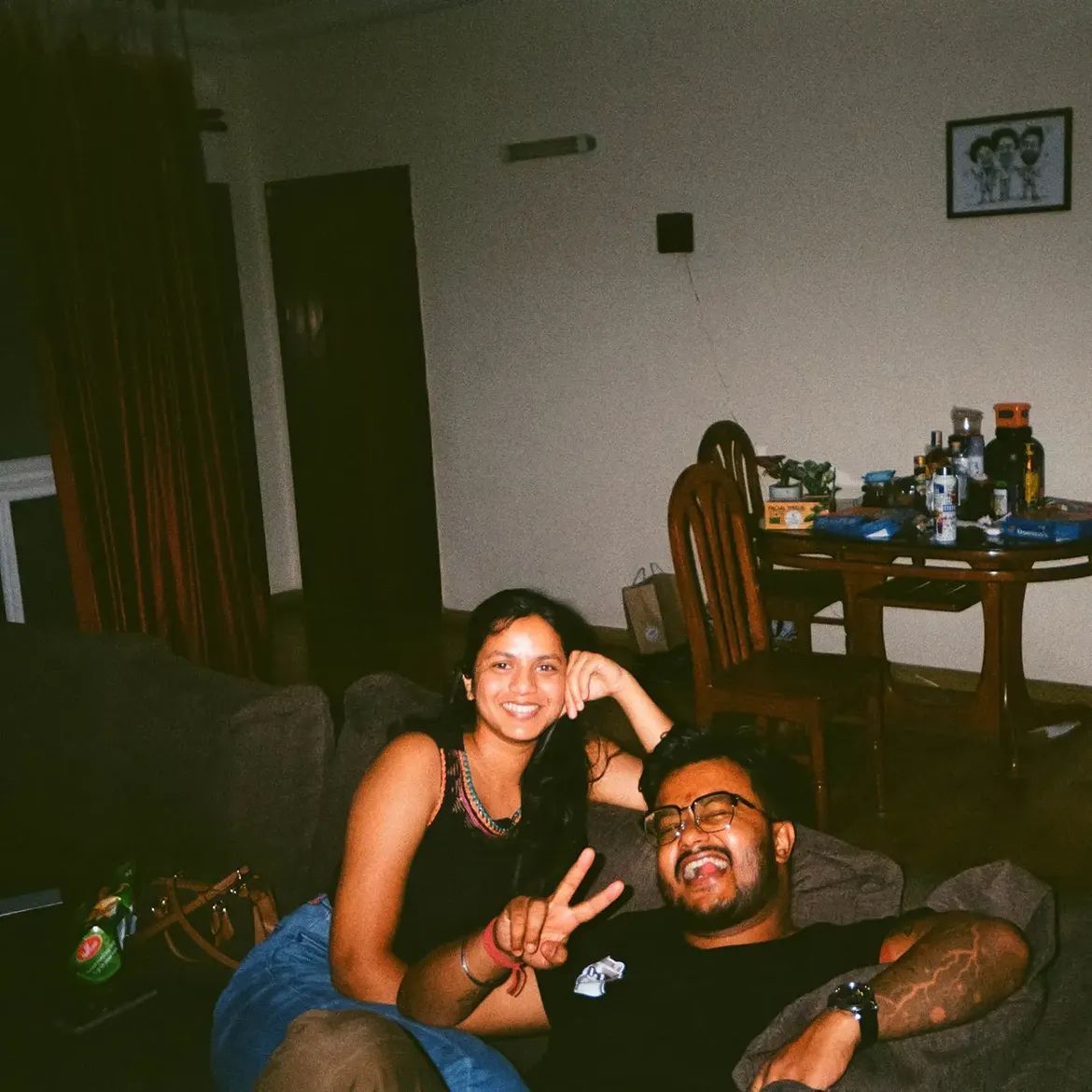
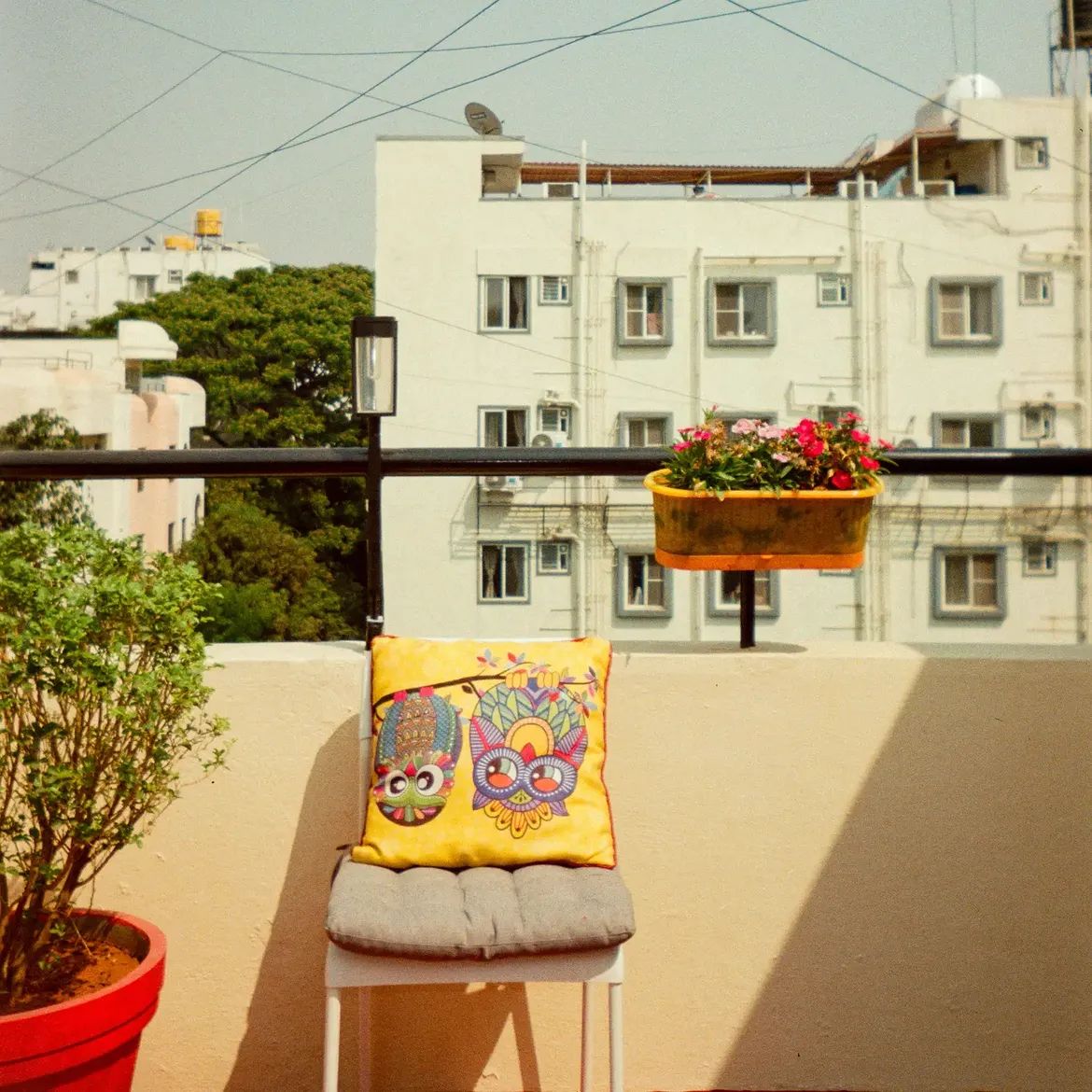
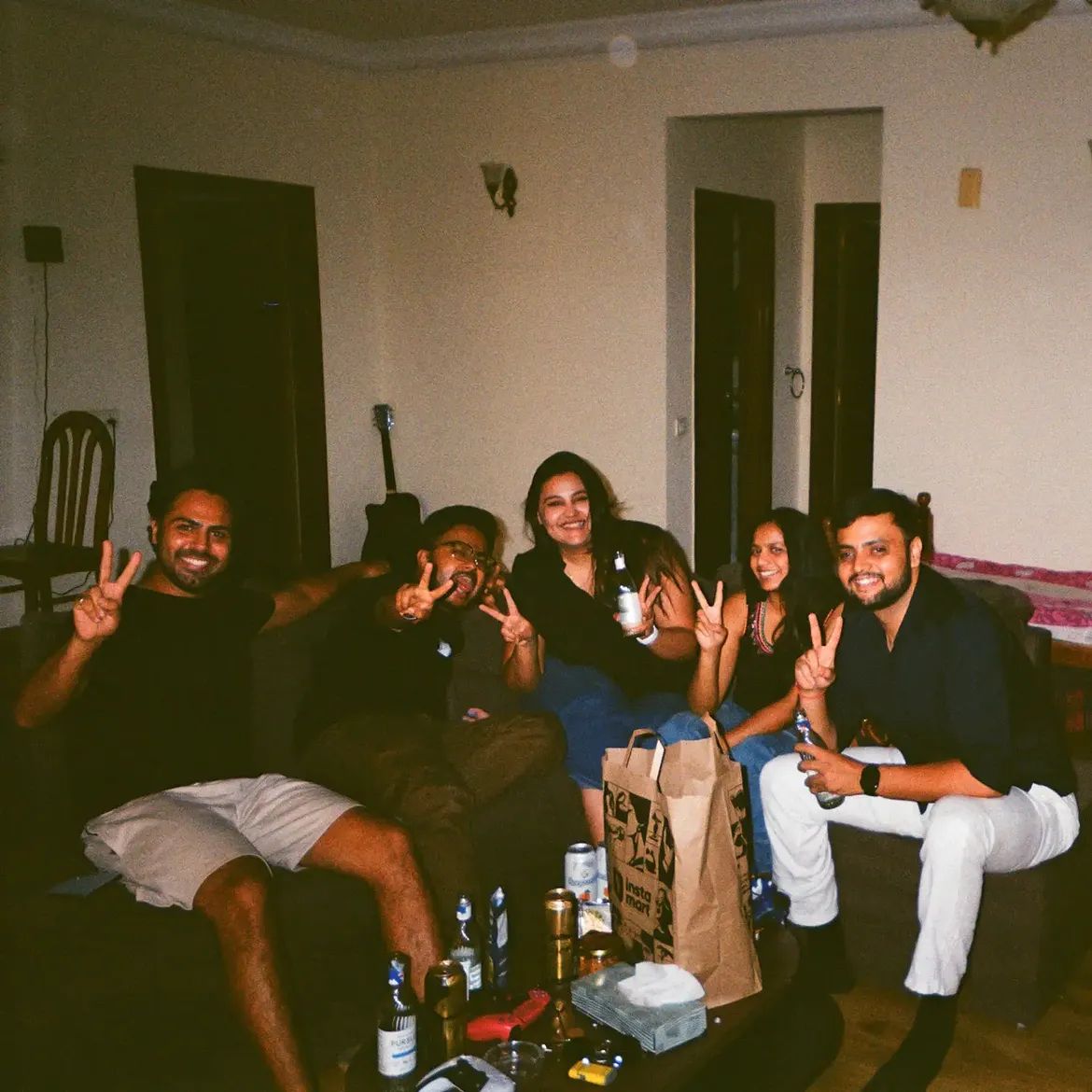
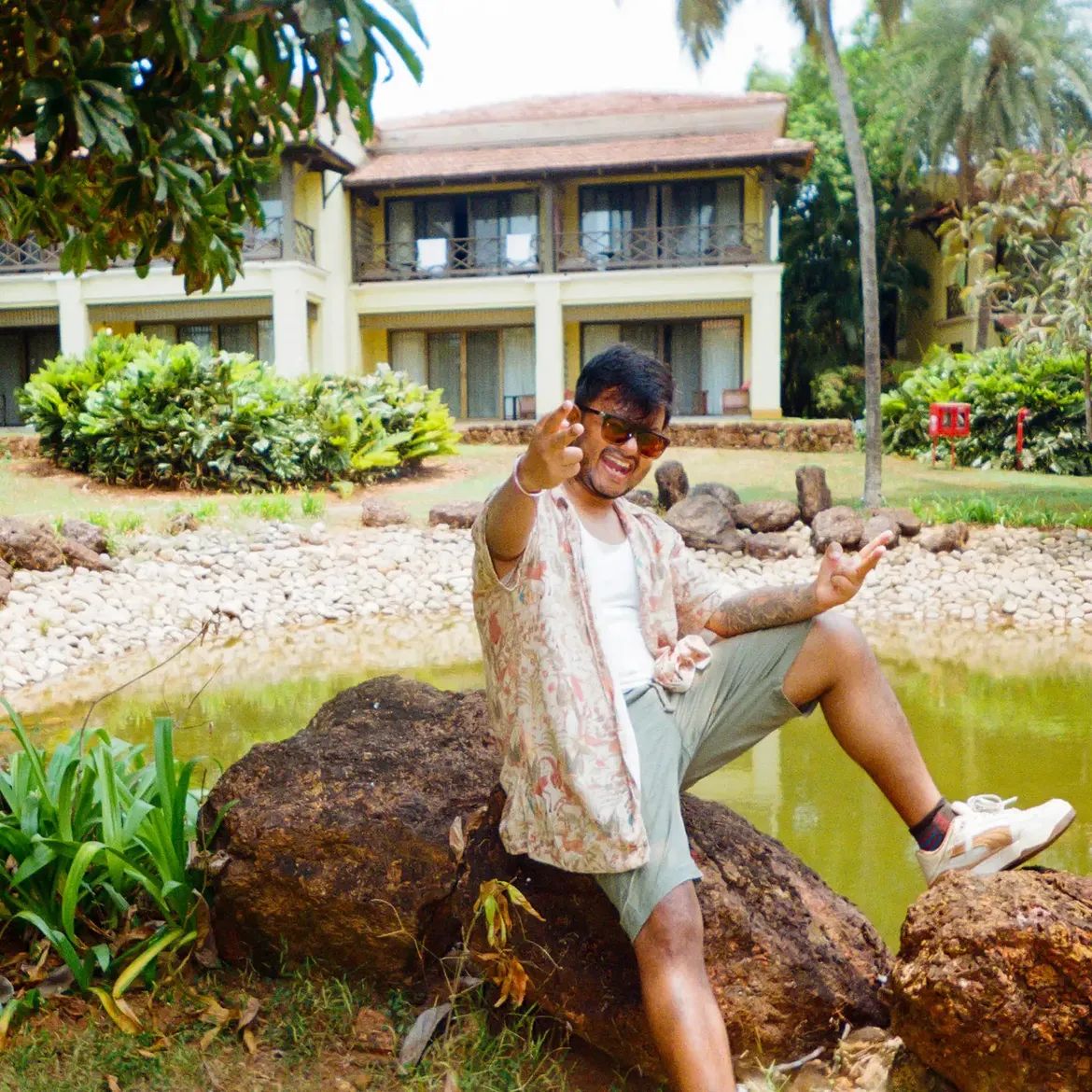
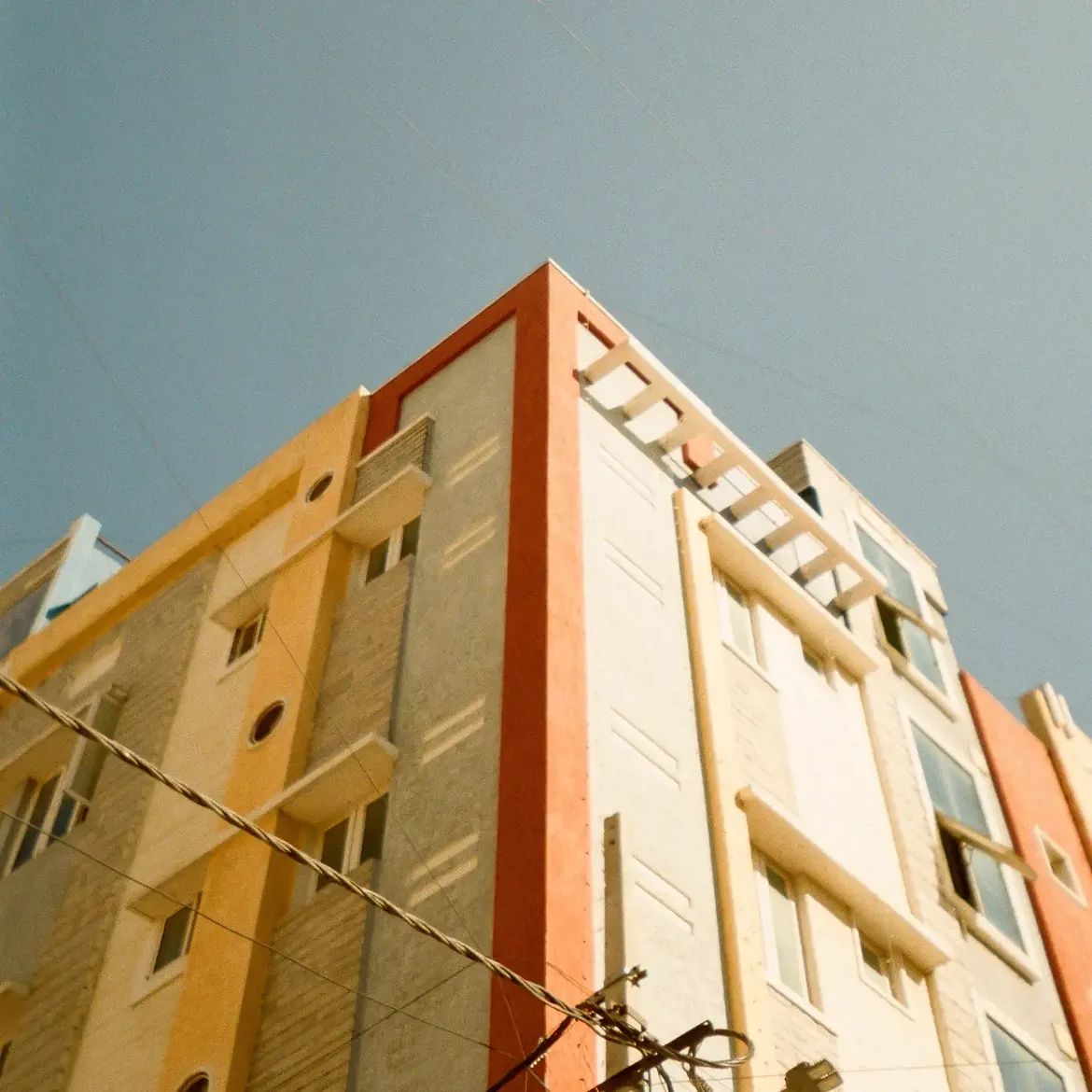
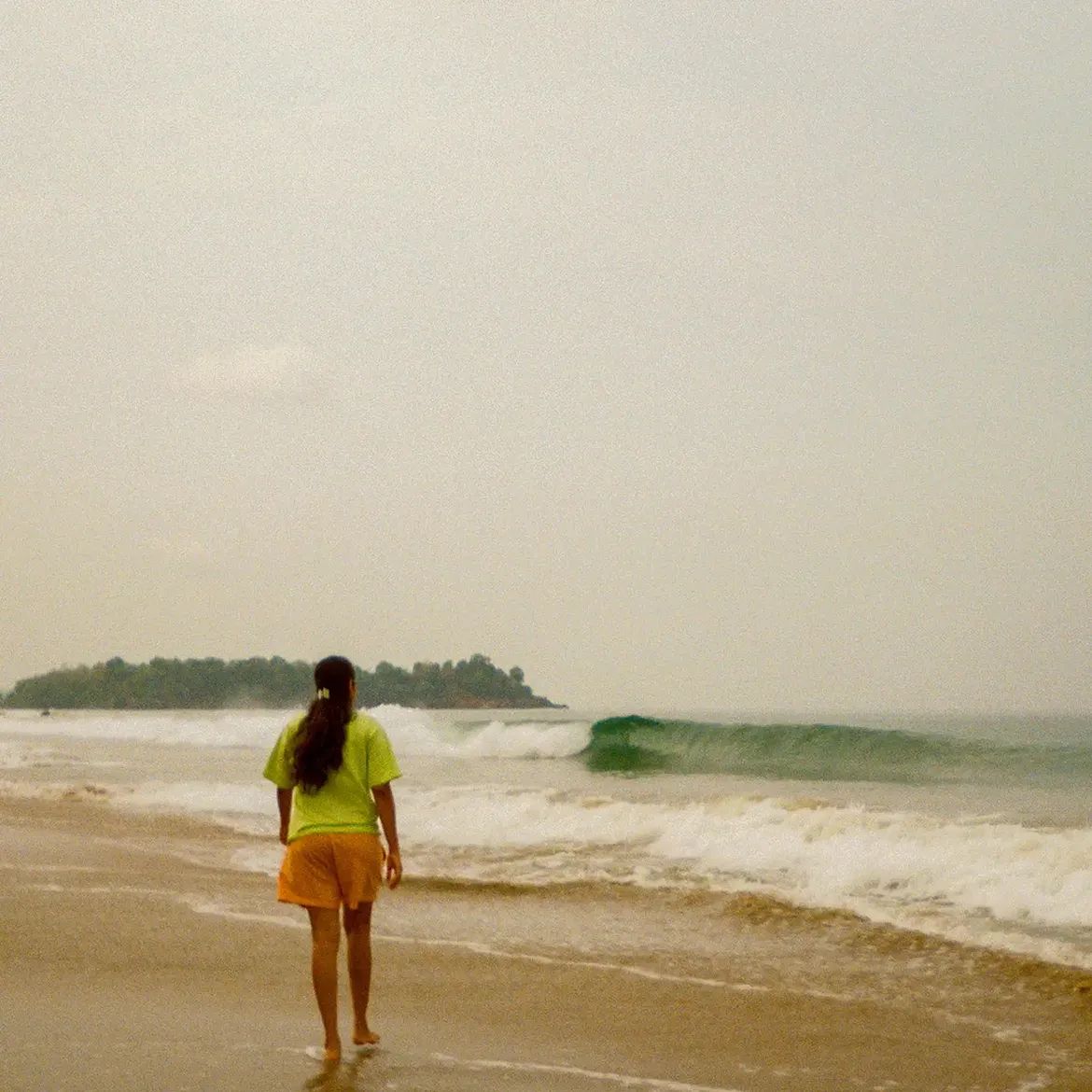
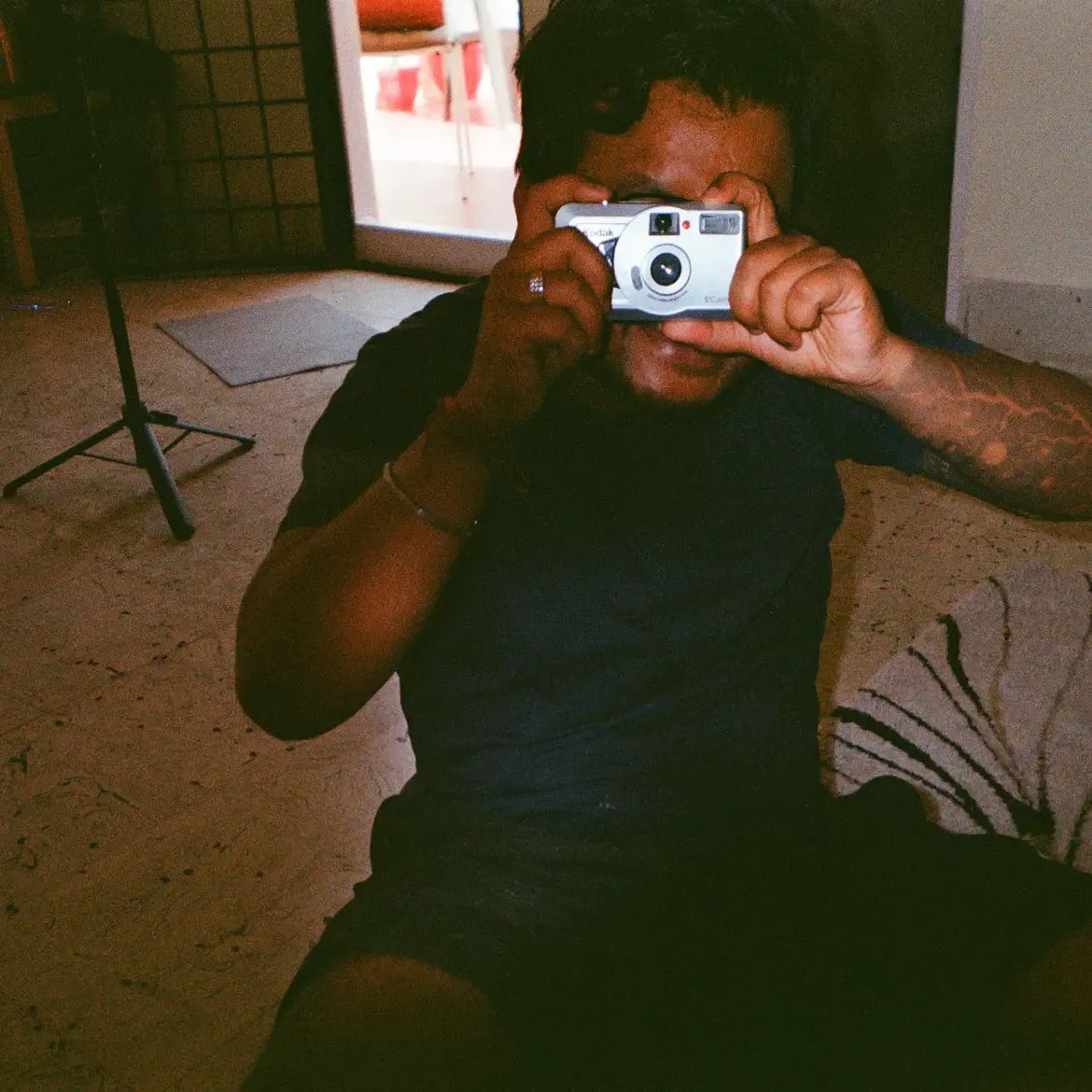
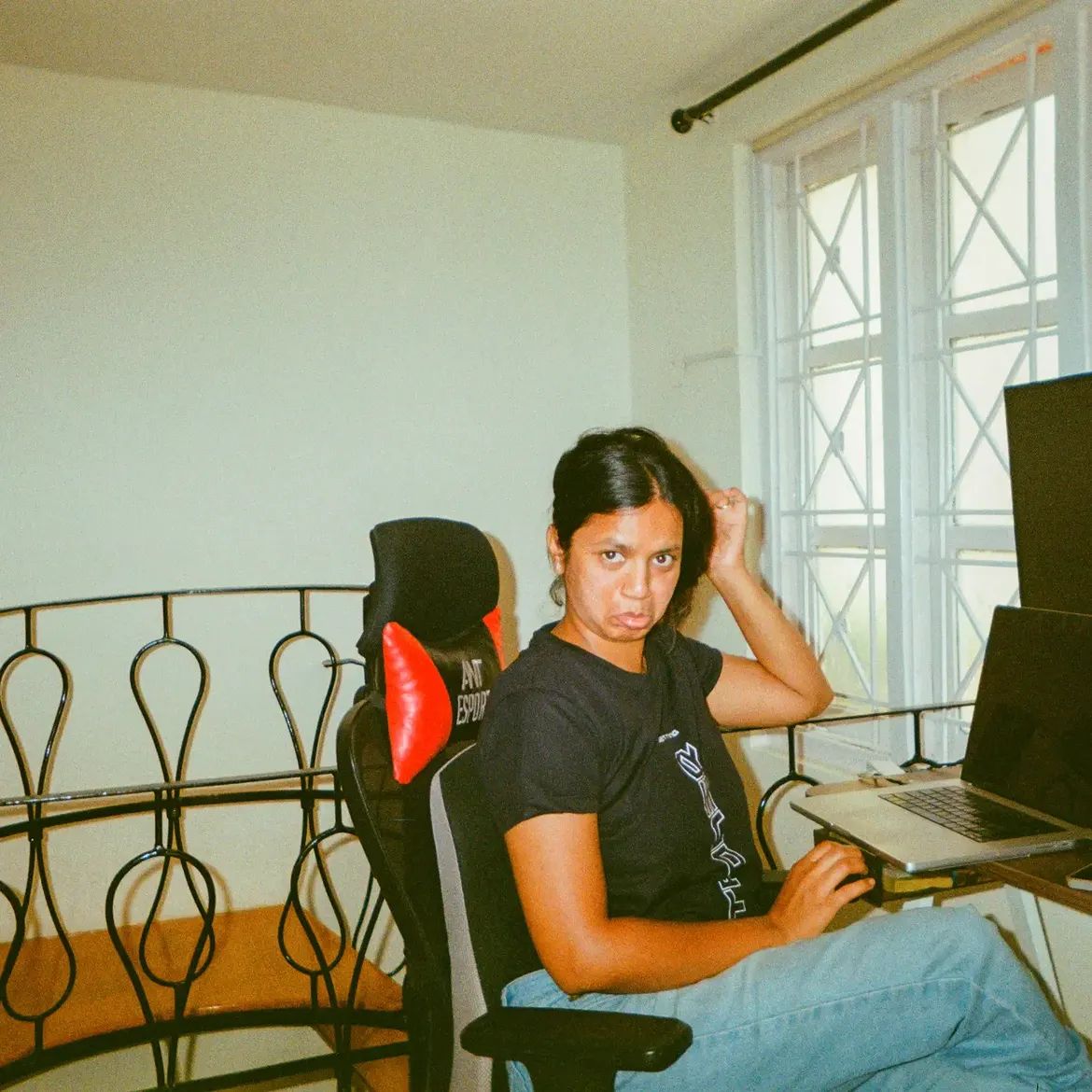
The photographs below were shot on a Kodak KB10, which costs ₹1,500.
Shot on a Kodak KB10
Swipe →
See the Kodak KB10 that’s for sale
Point-and-shoots are the perfect place to start. The KB10 is a good place to begin, and from there you can step up to something better, like a Yashica EZView or a Konica, which cost around ₹3–4,000.
While the KB10 is a very simple camera, more advanced point-and-shoots can have autofocus, a self-timer, automatic film wind and automatic flash.
Once you get comfortable with point-and-shoots you can eventually move to an SLR, or even a rangefinder, but I would not recommend either as your first camera.
Also, the look of your photograph depends more on the film than on the camera, which is covered below.
Other places to buy
- Filmcam India. All sorts of well-tested cameras, with proper condition descriptions.
Website: filmcam.in · Instagram: @film_cam_india - Lazy Film Labs. Recently started selling cameras too.
Website: lazyfilms.in/cameras · Instagram: @lazyfilmlab - CPB (Chennai Photo Biennale). A good selection as well.
Website: shop.chennaiphotobiennale.com
It’s a lot to take in. If you need any help choosing a camera, just drop me a message. Glad to help.
The film
The film is what you put into the camera. It is coated with light-sensitive silver halide crystals (silver bromide, chloride and iodide, held in gelatin), and those are what react to light and record the picture.
Film has a number, like Kodak Gold 200. The 200 is the ISO: the higher the number, the better it is for darker shots.
These cameras use 35 mm film stock, it is widely available in India, and each roll takes around 36 photos.
Respooled film is the best value
I recommend respooled film. It is great value, and it costs about half the price.
Respooled film is motion-picture stock (the same kind of film features are shot on), cut down and rolled into 35 mm cassettes by hand.
Lazy Film Labs has great respooled film, and lots of options:
- Lazy250 for daylight photos
- Lazy500 for evening and night
- Lazy100 for those very bright afternoon shots
The whole Lazy Film Labs store
If you are a bit confused, just get the Lazy 250. No brainer.
Other places to buy film
- Astra Foundry. They recently opened a film lab too, which is a good deal if you bundle their
develop option, since they give a discount.
Website: astrastore.art · Instagram: @astra.foundry - Panchrome Project
Website: panchromeproject.com/fresh-film-stocks - CPB (Chennai Photo Biennale)
Website: shop.chennaiphotobiennale.com - ZhenWei Films
Instagram: @zhenwei.film
General tips
- Go for colour negative film.
- Don’t go for expensive imported film like Portra when you are starting out.
What film costs
- Respooled film
- from ₹700
- Imported film
- from ₹1,400
Development
Once you have fully used a roll, the film needs to come out of the camera and go to a lab to be developed. It is a chemical process, and it is why you get that look we all crave.
You can place an order online and then just ship your film to them. Courier services like Delhivery will pick up from your home, share tracking details, and ship it to the lab.
The lab then develops the roll and sends you high-quality digital scans of the photos, over Google Drive or something similar. They also have the option to ship the negatives back to you.
- Lazy Film Labs. My main recommendation. Good quality, and they develop in India itself.
Website: lazyfilms.in/labs - Panchrome Project. If you want higher quality; they ship to Malaysia for processing.
Website: panchromeproject.com - Astra Foundry. Recently started development as well.
Website: astrastore.art
Final note
Enjoy exploring and learning about the cameras and the film. There is a lot of joy in that.
The photos are the final product, which is important, but so is you enjoying the process. Drop any questions you have via DM. Glad to help.
If it has been helpful, please do drop a follow.